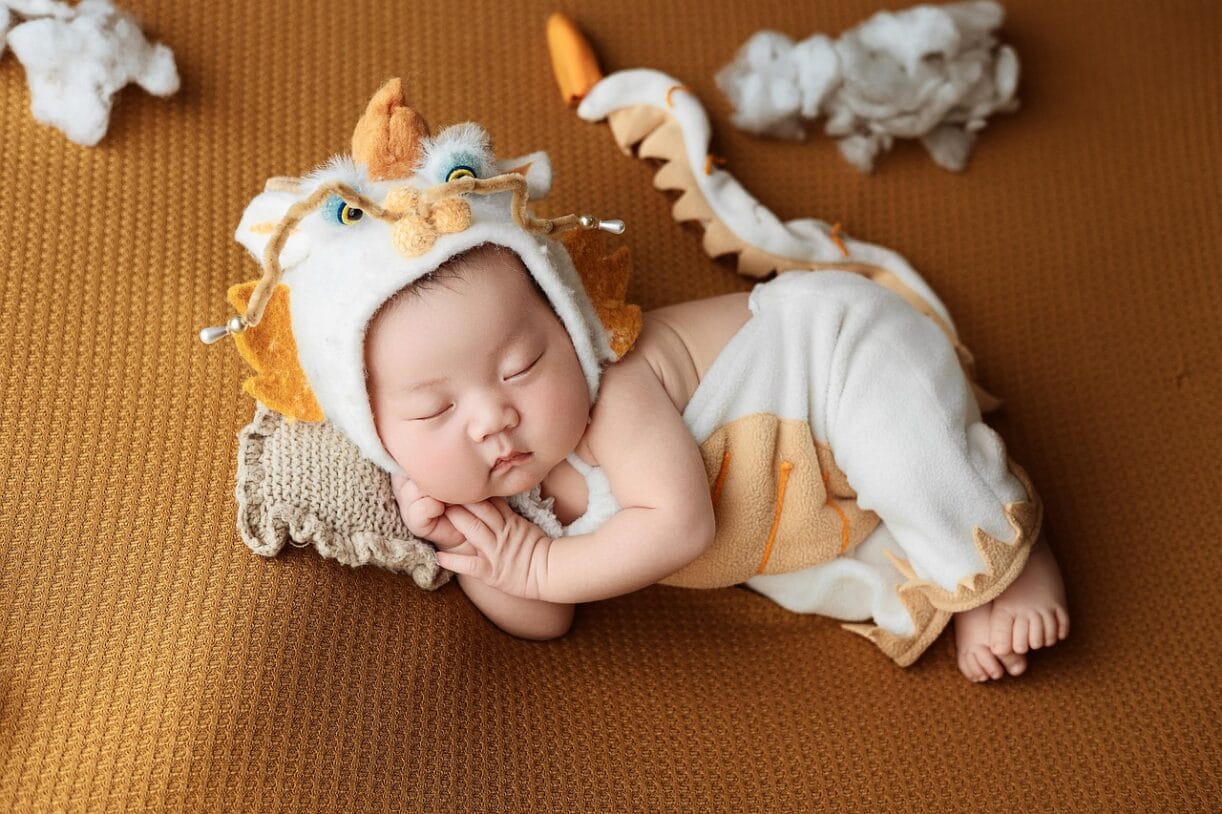
Picking the right lens for newborn photography makes a real difference. It affects sharpness, background blur, how close you can get, and how comfortable the session feels for the baby and parents.
This guide covers the best lenses for newborn photography, what to look for, and how to choose based on your camera, budget, and shooting style.
Why the Lens Matters More Than the Camera Body
Many photographers focus on camera bodies, but the lens does most of the heavy lifting. A great lens on a mid-range camera will almost always beat a poor lens on a flagship body.
For newborn photography specifically, you need a lens that can:
Focus accurately at close distances to capture tiny details like fingers and eyelashes
Produce smooth background blur (bokeh) to keep focus on the baby
Perform well in soft natural light or studio lighting without introducing noise
Handle the physical demands of a session — you’ll be moving around a lot
What Focal Length Is Best for Newborn Photography?
Most newborn photographers use lenses in the 35mm to 135mm range. Each has trade-offs.
35mm – Wide and Versatile
A 35mm lens lets you capture the baby and some of the surrounding environment. It’s good for lifestyle-style sessions where you want context — the nursery, the parents, the whole scene. But it can distort features slightly if you’re too close. Keep some distance and it works well.
50mm – The All-Rounder
The 50mm focal length is close to what the human eye sees. It renders the baby naturally without distortion. It’s one of the most popular choices for newborn photographers. It’s also typically more affordable than longer primes, and lenses like the 50mm f/1.8 can be had for under $150 on most camera systems.
85mm – Portrait King
The 85mm is a classic portrait focal length. It gives you pleasing compression, beautiful background blur, and lets you stay further from the baby so you’re less likely to disturb them during a session. Many newborn photographers call this their go-to lens.
100mm / 105mm Macro – For Detail Shots
If you want to photograph tiny details — fingers wrapped around a parent’s hand, the curl of a tiny ear — a macro lens is worth considering. These lenses can focus extremely close while maintaining sharpness across the frame.
Best Lenses for Newborn Photography in 2024
Here are the top picks, broken down by focal length and purpose. These cover Canon, Nikon, Sony, and Fujifilm systems.
1. Canon RF 50mm f/1.8 STM
Best for: Canon R-series shooters on a budget
Price: Around $199
This is one of the sharpest 50mm lenses for its price. The f/1.8 aperture gives you good background separation without a massive price tag. It focuses quickly and quietly — important when you have a sleeping newborn. The STM motor is nearly silent, which helps. It’s compact and lightweight, so it won’t tire your wrist during a long session.
Best for: Nikon Z-series shooters who want top optical quality
Price: Around $599
This is a step up in build and image quality. The Nikon Z 50mm f/1.8 S is sharp from corner to corner, even at f/1.8. Bokeh is smooth and pleasing. It handles well in low light, which matters when you’re shooting near a window without harsh flash. It costs more, but the optical quality justifies the price for professional work.
3. Sony FE 50mm f/1.8
Best for: Sony A7 and A9 series users who need an affordable prime
Price: Around $248
A solid entry-level prime for Sony full-frame shooters. It’s not the sharpest Sony lens, but it produces clean images and renders skin tones well. The autofocus can hunt occasionally in low light, but for static newborn poses it performs reliably.
4. Canon RF 85mm f/2 Macro IS STM
Best for: Canon RF users who want portrait and macro in one lens
Price: Around $599
This lens does a lot. At 85mm, it’s a great portrait focal length. The macro capability means you can get very close for detail shots — curled fingers, tiny toes, closed eyelids. The image stabilization helps in lower light without a tripod. It’s one of the most versatile single lenses you can own for newborn work.
5. Nikon Z 85mm f/1.8 S
Best for: Nikon Z users who want the classic portrait look
Price: Around $749
Sharp, fast, and well-built. The Nikon Z 85mm f/1.8 S produces some of the most flattering images in this focal length range. Bokeh is smooth and creamy. At f/1.8, you can shoot in fairly dim light without raising ISO too high. It’s a top pick for professionals shooting on the Z system.
6. Sony FE 85mm f/1.8
Best for: Sony shooters who want a fast 85mm without the G Master price
Price: Around $598
The Sony FE 85mm f/1.8 is one of the best value lenses in the Sony lineup. It’s sharp, focuses fast, and delivers beautiful background blur. Many newborn photographers on Sony use this as their primary lens. The G Master version costs significantly more and the difference isn’t huge for most shooting conditions.
7. Sigma 105mm f/2.8 DG DN Macro Art
Best for: Detail shots on Sony E-mount or L-mount systems
Price: Around $799
If detail shots are important to your style, this macro lens is hard to beat. True 1:1 macro with exceptional sharpness. It also works as a standard portrait lens at normal distances. The Art series build quality is excellent. A bit heavier than other options, but the results justify the weight.
8. Tamron 90mm f/2.8 Di III VXD Macro
Best for: Sony users wanting macro at a lower price point
Price: Around $479
A newer option that’s been getting a lot of attention. The Tamron 90mm macro is sharp, well-stabilized, and more affordable than comparable options. Great for newborn detail shots and wide enough to work as a portrait lens. Highly recommended for Sony E-mount shooters.
Best Lens for Newborn Photography on a Budget
You don’t need to spend a lot to get good results. Here are some budget picks that still deliver.
Canon EF 50mm f/1.8 STM: Around $125. One of the best value lenses ever made for Canon DSLRs. Excellent sharpness and nice bokeh. Perfect starting point.
Yongnuo 50mm f/1.8: Under $70. A budget clone of the Canon 50mm. Not as sharp, but works well for beginners on Canon systems. A good lens to learn on.
Fujifilm XF 56mm f/1.2 R WR: Around $999. Fujifilm shooters have fewer budget options, but this lens is considered one of the best portrait lenses for APS-C cameras. Worth saving for.
Sigma 56mm f/1.4 DC DN: Around $479. Available for Sony E-mount and L-mount APS-C cameras. Very sharp, great rendering, well priced.
Most newborn photographers prefer primes. Here’s why.
Prime lenses have a fixed focal length. They tend to be sharper, have wider maximum apertures, and are lighter and smaller than zoom lenses at equivalent quality. For a controlled studio session or a lifestyle session in a bedroom, you don’t need zoom. You move yourself instead.
That said, zoom lenses have their place. If you’re shooting in a small space with limited room to move, a 24-70mm f/2.8 lets you adjust framing without repositioning. It’s heavier and more expensive for the same optical quality as a prime, but the flexibility can be worth it.
For most people starting out: pick a prime at 50mm or 85mm. Learn it well. Then decide if you need anything else.
Aperture: How Wide Is Wide Enough?
A wider aperture (lower f-number) lets in more light and creates more background blur. For newborn photography, f/1.4 to f/2.8 is the common range.
f/1.4 – f/1.8: Maximum background blur. Very thin depth of field. You need accurate autofocus or your subject can be slightly out of focus. Great for artistic, dreamy shots.
f/2 – f/2.8: Still plenty of bokeh with more forgiving focus. Most professionals shoot newborns in this range for full-body and three-quarter shots.
f/4 – f/5.6: Shaper focus across more of the frame. Better for group shots with parents and siblings, or when you want more environmental detail.
For close detail shots — tiny hands, feet — you’ll want to stop down slightly (f/2.8 to f/4) so more of the subject is in focus. Shooting at f/1.4 for a detail shot can mean only part of a finger is sharp.
Autofocus vs. Manual Focus for Newborn Sessions
Modern autofocus systems are good enough that manual focus is rarely necessary for newborn sessions. But there are situations where it helps.
Newborns don’t move much during posed sessions, which means autofocus has an easier job than with active toddlers or pets. Still, you want a lens with fast and quiet autofocus. A loud AF motor can wake a sleeping baby, which ends the session quickly.
Lenses with STM (Canon), stepping motor (Nikon), or linear motor systems (Sony) are generally quieter than older screw-drive designs. Check the specs before buying.
Best Lens for Newborn Photography by Camera Brand
Best Lens for Canon Newborn Photography
For Canon RF (mirrorless): The Canon RF 85mm f/2 Macro IS STM is the best single-lens choice. It covers portrait work, detail shots, and everyday sessions. If budget is a concern, the Canon RF 50mm f/1.8 STM is a great starting point. For Canon EF (DSLR): the Canon EF 85mm f/1.8 USM is a time-tested classic that’s sharp and affordable.
Best Lens for Nikon Newborn Photography
For Nikon Z: The Nikon Z 85mm f/1.8 S is the top pick. Exceptional sharpness and rendering. If budget is tighter, the Nikon Z 50mm f/1.8 S is excellent. For Nikon F (DSLR): the Nikon AF-S 85mm f/1.8 G is a solid, affordable option that still performs well.
Best Lens for Sony Newborn Photography
Sony shooters have a strong lineup to choose from. The Sony FE 85mm f/1.8 is the best value pick. For more versatility, the Tamron 90mm Macro covers portraits and detail shots. If you can spend more, the Sony FE 85mm f/1.4 G Master is one of the best portrait lenses ever made.
Best Lens for Fujifilm Newborn Photography
Fujifilm APS-C cameras have a crop factor of 1.5x. So a 56mm lens gives you the equivalent field of view of an 85mm on full frame. The Fujifilm XF 56mm f/1.2 R WR is the top choice. It’s expensive but renders beautifully. A more affordable option is the Fujifilm XF 50mm f/2 R WR, which is sharp and weather-sealed.
How to Choose the Best Lens for Your Newborn Photography Style
Different photographers have different styles. Here’s a rough guide.
Posed studio sessions (bean bag, wraps, props): 85mm or 50mm prime. You’re working close, in a controlled environment. Background blur matters. Go with an 85mm.
Lifestyle at-home sessions: 35mm or 50mm. You need to capture wider scenes — the nursery, parents interacting with the baby. A wider lens helps.
Detail-focused shoots: 100mm macro or equivalent. Get close to tiny features without disturbing the baby.
Mixed approach (studio + lifestyle): Carry two lenses. An 85mm for close portraits and a 35mm or 50mm for wider shots.
The lens is just one part of the equation. These tips apply regardless of which lens you’re using.
Shoot in natural light where possible. Window light is flattering and avoids harsh shadows. Position the baby near a large north or east-facing window if you can.
Keep the session warm. Newborns sleep better when the room is warmer than normal — around 75–80°F. A sleeping baby is much easier to photograph.
Use a higher ISO than you think. Modern cameras handle ISO 3200–6400 well. It’s better to have a sharp image with some noise than a blurry image shot at ISO 400.
Shoot in RAW format. It gives you much more flexibility when editing skin tones and exposure.
Work slowly and quietly. Sudden movements and loud noises startle babies. Move deliberately and keep noise to a minimum.
Check focus carefully. At wide apertures, the depth of field is thin. Make sure the focus point is on the eyes (or the face if eyes are closed), not the ear or the blanket.
Do You Need More Than One Lens?
For beginners: no. Pick one lens and learn it well. Most photographers starting out overthink gear and underinvest in practice.
For working professionals or those doing frequent sessions: two lenses is a practical setup. An 85mm for portraits and an 50mm or 35mm for wider, lifestyle-style images. That covers most situations without overcomplicating your bag.
A macro lens is worth adding if detail shots are a core part of your work. But it’s a secondary purchase, not a starting point.
Renting Before Buying: A Smart Move
If you’re not sure which lens suits you, rent before you buy. Services like LensRentals (US), Wex (UK), and local camera shops offer short-term rentals for a fraction of the purchase price.
Spend a weekend shooting with an 85mm and then with a 50mm. You’ll quickly learn which focal length fits your working style. That knowledge is worth more than any review article, including this one.
Quick Summary: Best Lenses for Newborn Photography
Best overall portrait lens: 85mm prime (any brand)
Best budget pick: 50mm f/1.8 (Canon, Nikon, or Sony)
Best for detail shots: 100mm–105mm macro lens
Best for lifestyle sessions: 35mm or 50mm prime
Best for Canon RF: Canon RF 85mm f/2 Macro IS STM
Best for Nikon Z: Nikon Z 85mm f/1.8 S
Best for Sony E-mount: Sony FE 85mm f/1.8 or Tamron 90mm Macro
Best for Fujifilm: Fujifilm XF 56mm f/1.2 R WR
Final Thoughts
The best lens for newborn photography depends on your camera system, your budget, and how you like to shoot. But if you need a single recommendation: start with an 85mm prime. It works well for posed sessions, renders beautifully, and gives you enough working distance to shoot without crowding the baby.
Once you know what you’re missing — wider shots, macro details, more light in darker rooms — you can add a second lens to fill that gap.
But gear matters less than practice. Learn to read light, move quickly and quietly, and connect with the families you’re photographing. A well-used 50mm f/1.8 in the hands of a skilled photographer will always outperform a $2,000 lens with no experience behind it.
Pick a lens, book some sessions, and shoot. That’s how you get better.
George Margas is the founder and lead content creator at 335mm.com. With over a decade of experience in photography and a keen interest in optical technology, George combines technical expertise with practical insights to help photographers make informed decisions about their gear. As the owner of gemweb media agency, he brings a unique perspective on digital content creation and the evolving landscape of visual media. When not writing about lenses or testing the latest camera equipment, George can be found exploring new photography techniques and sharing his knowledge through workshops and online tutorials.
We use cookies to personalise content and ads, to provide social media features and to analyse our traffic. We also share information about your use of our site with our social media, advertising and analytics partners. View more
Suggested text: When visitors leave comments on the site we collect the data shown in the comments form, and also the visitor’s IP address and browser user agent string to help spam detection.An anonymized string created from your email address (also called a hash) may be provided to the Gravatar service to see if you are using it. The Gravatar service privacy policy is available here: https://automattic.com/privacy/. After approval of your comment, your profile picture is visible to the public in the context of your comment.
Media
Suggested text: If you upload images to the website, you should avoid uploading images with embedded location data (EXIF GPS) included. Visitors to the website can download and extract any location data from images on the website.
Cookies
Suggested text: If you leave a comment on our site you may opt-in to saving your name, email address and website in cookies. These are for your convenience so that you do not have to fill in your details again when you leave another comment. These cookies will last for one year.If you visit our login page, we will set a temporary cookie to determine if your browser accepts cookies. This cookie contains no personal data and is discarded when you close your browser.When you log in, we will also set up several cookies to save your login information and your screen display choices. Login cookies last for two days, and screen options cookies last for a year. If you select "Remember Me", your login will persist for two weeks. If you log out of your account, the login cookies will be removed.If you edit or publish an article, an additional cookie will be saved in your browser. This cookie includes no personal data and simply indicates the post ID of the article you just edited. It expires after 1 day.
Embedded content from other websites
Suggested text: Articles on this site may include embedded content (e.g. videos, images, articles, etc.). Embedded content from other websites behaves in the exact same way as if the visitor has visited the other website.These websites may collect data about you, use cookies, embed additional third-party tracking, and monitor your interaction with that embedded content, including tracking your interaction with the embedded content if you have an account and are logged in to that website.
Who we share your data with
Suggested text: If you request a password reset, your IP address will be included in the reset email.
How long we retain your data
Suggested text: If you leave a comment, the comment and its metadata are retained indefinitely. This is so we can recognize and approve any follow-up comments automatically instead of holding them in a moderation queue.For users that register on our website (if any), we also store the personal information they provide in their user profile. All users can see, edit, or delete their personal information at any time (except they cannot change their username). Website administrators can also see and edit that information.
What rights you have over your data
Suggested text: If you have an account on this site, or have left comments, you can request to receive an exported file of the personal data we hold about you, including any data you have provided to us. You can also request that we erase any personal data we hold about you. This does not include any data we are obliged to keep for administrative, legal, or security purposes.
Where your data is sent
Suggested text: Visitor comments may be checked through an automated spam detection service.